Why Garage Door Tune-Ups Matter
Your garage door may open and close thousands of times each year.
September 24, 2026 · 8 min read
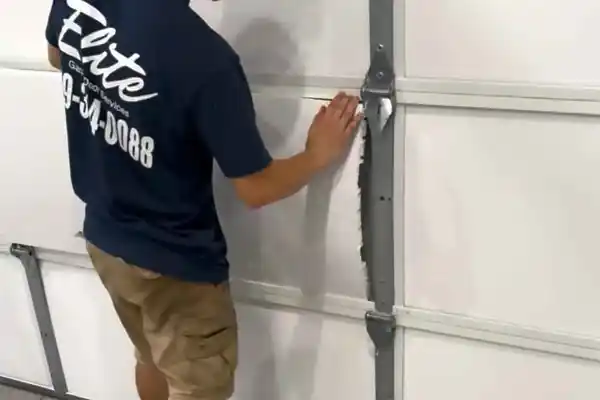
Why Garage Door Tune-Ups Matter in NWA
Your garage door may open and close thousands of times each year. Every cycle places controlled movement through springs, cables, rollers, hinges, bearings, tracks, and opener components. When the system is balanced and adjusted, that movement feels ordinary. When parts loosen, dry out, drift out of alignment, or wear unevenly, the door often gives small warnings before a major failure.
A professional tune-up from Elite Garage Door covers lubrication, hardware tightening, balance testing, and a full safety inspection of springs, cables, and rollers. The visit is preventive, but it is also practical. It helps homeowners understand the current condition of the door, address maintenance that is due, and identify repairs that should not wait.
Catching small issues early prevents expensive emergency garage door repair calls down the road. A loose hinge, worn roller, weak spring, frayed cable, or misaligned sensor may not stop the door today, but continued cycling can place more stress on surrounding parts. A tune-up gives the system attention while you can still choose a convenient appointment instead of reacting to a door that is stuck.
For homes in Rogers, Bentonville, Fayetteville, Springdale, Bella Vista, and nearby NWA communities, seasonal changes add another reason to schedule routine care. Heat, humidity, storms, dust, and cooler winter temperatures affect metal parts, seals, and lubrication. A local technician knows what to look for and can recommend service based on the door’s actual use and condition.
Maintenance is also a good time to ask questions. If you are unsure how to use the manual release, what noises deserve attention, or when a worn part should be replaced, the technician can explain those details while standing at your actual system.
The value of maintenance also depends on how the garage is used. A door serving as the family’s main entrance may run several cycles before breakfast and several more after work, school, errands, and activities. A workshop, rental property, detached building, or multi-car garage can have different patterns. Telling the technician about daily use, recent impacts, storm exposure, or past repairs gives useful context for the inspection and helps the service focus on the parts carrying the most demand.
What a Garage Door Tune-Up Includes
A tune-up should be more than a quick spray of lubricant. The technician evaluates how the full door system supports weight, travels through the opening, responds to controls, and protects people and property. Elite Garage Door’s service includes several connected checks:
- Visual inspection of springs, cables, drums, rollers, hinges, tracks, brackets, panels, bearings, weather seals, and opener hardware. The technician looks for rust, cracking, fraying, impact damage, loose mounting points, uneven gaps, and other signs of wear.
- Lubrication of appropriate moving parts with products suited to garage door hardware. Rollers, hinges, bearings, and spring components may need attention depending on their design. Tracks are inspected and cleaned as needed, but they should not be coated with heavy grease that attracts dirt.
- Hardware tightening across the door and track system. Repeated vibration can loosen hinges, brackets, fasteners, and opener mounting points. Tightening the correct hardware helps reduce noise and movement without disturbing high-tension parts that require special procedures.
- Balance and spring performance testing. A balanced door should remain controlled when disconnected from the opener and moved by hand. If it feels unusually heavy, rises on its own, or will not stay in position, the spring system may need professional adjustment or repair.
- Safety and opener testing. The technician checks photo eyes, automatic reversal, travel limits, force settings, remotes, wall controls, keypad functions, and manual release. The door is cycled after service to confirm smooth travel and proper stopping points.
How Tune-Ups Prevent Garage Door Repair
Preventive maintenance does not guarantee that a spring or electronic part will never fail. Components have service lives, and accidental damage can happen. What maintenance does is reduce avoidable strain and reveal developing issues sooner. That can protect the opener, panels, track, and other parts from being damaged by one neglected component.
A door that is out of balance may still move because the opener is doing extra work. Over time, that strain can shorten motor, gear, rail, or carriage life. A dragging roller can place sideways pressure on hinges and tracks. A loose cable can affect how evenly the door lifts. Each symptom is connected to the larger system, which is why inspection matters.
Routine tune-ups can also improve consistency. Homeowners often adjust to a door that becomes louder or slower little by little. After professional lubrication, tightening, alignment checks, and balance testing, the change may be noticeable. More important, the technician can explain which sounds are normal for the door and which should prompt a service call.
Maintenance records provide useful context as the system ages. Knowing when springs, rollers, cables, openers, seals, or panels were serviced makes future decisions easier. If repairs become frequent, that history can help you compare continued repair with a new garage door and decide which choice makes sense.
Small adjustments can affect several parts at once. Correcting loose hardware may reduce vibration that was wearing on hinges and rollers. Restoring balance may reduce strain on the opener. Aligning sensors and reviewing force settings may improve safe closing behavior. These changes are most useful when completed together and verified through several operating cycles. A tune-up should end with the door moving predictably, not simply with a checklist of tasks marked complete.
Warning Signs Your Garage Door Needs Attention
A scheduled tune-up is useful even when the door appears normal, but certain changes should move the appointment higher on your list. Stop automatic operation when the door looks crooked, a cable is loose, a spring is broken, or movement feels unsafe.
- New grinding, popping, scraping, banging, or squealing sounds. Noise can come from dry or worn rollers, loose hardware, track contact, spring trouble, or opener strain. The sound and location help guide the inspection.
- Uneven or jerky movement. A door that leans, shudders, hesitates, or binds may have cable, roller, track, spring, or panel issues. Repeated operation can make alignment problems worse.
- A door that feels unusually heavy. Springs are designed to counterbalance the door. If manual movement requires significant force, do not rely on the opener to compensate. Professional service is needed.
- Slow response or inconsistent stopping. Opener controls, travel limits, force settings, sensors, wiring, gears, or motor parts may be involved. Testing should include both the door and opener rather than assuming one component is responsible.
- Visible fraying, rust, cracks, loose hinges, gaps, damaged seals, or bent track. You can observe these conditions without touching high-tension hardware. Share photos when scheduling if they help describe the problem.
If the door is stuck open, stuck closed, off track, or supported unevenly, treat the situation as a repair instead of routine maintenance. Keep people away from the opening and contact a professional garage door company.
Simple Garage Door Care Between Tune-Ups
Homeowners can support professional maintenance with a few safe observations. The goal is not to adjust springs, cables, or track hardware. Those parts can hold dangerous tension or support a heavy door. Your role is to notice changes, keep the operating area clear, and schedule service when something does not look or sound right.
- Watch one complete cycle each month. Stand inside the garage, keep the opening clear, and observe both sides of the door. Look for smooth, even travel and listen for changes in sound. A short monthly check makes gradual changes easier to notice.
- Keep photo eyes clean and aligned. Gently remove dust or spiderwebs from the sensor lenses and make sure stored items do not block them. If the door will not close or reverses, avoid bypassing the safety system.
- Protect tracks and hardware from storage damage. Do not lean ladders, tools, or bins against tracks, cables, sensors, or opener rails. A small impact can create alignment problems that show up during operation.
- Check the bottom and perimeter seals. Torn, flattened, or missing weatherstripping allows water, pests, dust, and outside air into the garage. Seals also help the door meet the floor without excessive closing force.
- Call when performance changes. Early service is usually easier to schedule and may prevent extra damage. Do not remove brackets connected to springs or cables, and do not attempt to wind, stretch, or replace high-tension parts.
We offer our Spring Tune-Up & Inspection Special for just $65 across all NWA service areas. Book yours online or call us; our Rogers and Springdale teams offer same-day availability. Availability and scheduling may vary, so contact the team to confirm the current appointment options.
Garage Door Tune-Up FAQs
How often should a garage door receive a tune-up?
Annual professional maintenance is a useful starting point for many residential doors. A system with heavy daily use, older parts, unusual noise, or prior damage may benefit from more frequent inspection. Follow the manufacturer’s care guidance and schedule service whenever the door’s movement, balance, or sound changes.
Can I lubricate my garage door myself?
Homeowners can sometimes perform limited lubrication if they follow the door and opener manufacturer’s instructions and use the correct product. Avoid coating tracks with heavy grease and never adjust or remove springs, cables, drums, or connected brackets. A professional tune-up includes lubrication plus balance, hardware, safety, and wear checks that homeowner lubrication does not replace.
Will a tune-up fix a noisy garage door?
It may reduce noise caused by dry moving parts or loose hardware, but sound can also indicate worn rollers, damaged tracks, spring trouble, opener strain, or other repair needs. The technician should diagnose the source before deciding whether maintenance alone is enough.
Does a tune-up include garage door opener testing?
Yes. A proper visit includes checking opener travel, force, controls, photo eyes, automatic reversal, manual release, and mounting stability. The technician also considers whether the door is balanced correctly, because an opener should move a supported door rather than lift its full weight.
Is the $65 tune-up special available everywhere in NWA?
The Spring Tune-Up & Inspection Special is described for Elite Garage Door’s NWA service areas. Appointment availability can vary by location and schedule, so confirm the offer and timing when you book. The team serves communities across Benton and Washington counties from Rogers and Springdale operations.
Schedule a Garage Door Tune-Up in NWA
Routine care is easier than dealing with a garage door failure at the start of a busy day. A professional tune-up gives you a clearer picture of the system, addresses normal maintenance, and helps catch wear before it affects other parts. Elite Garage Door brings local experience, trained technicians, and straightforward recommendations to homes across Northwest Arkansas.
Ready to schedule a garage door tune-up? Contact Elite Garage Door to book your $65 inspection across Northwest Arkansas. Tell us what you have noticed, how often the door is used, and whether you have concerns about noise, balance, or opener performance so we can plan the right visit.
Elite Garage Door Services, 479.354.0088
Call 479.354.0088